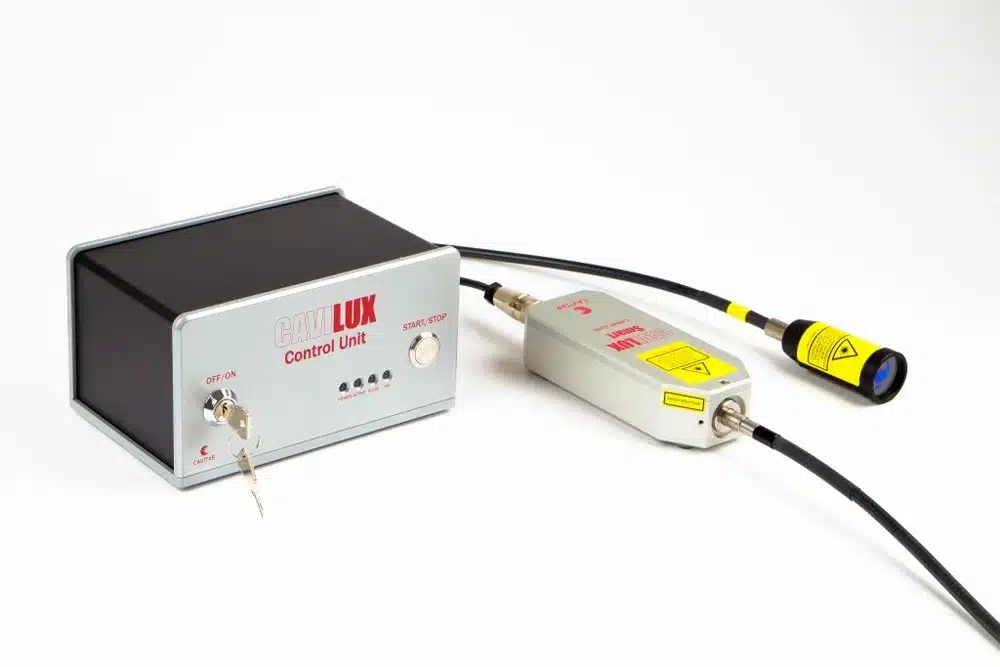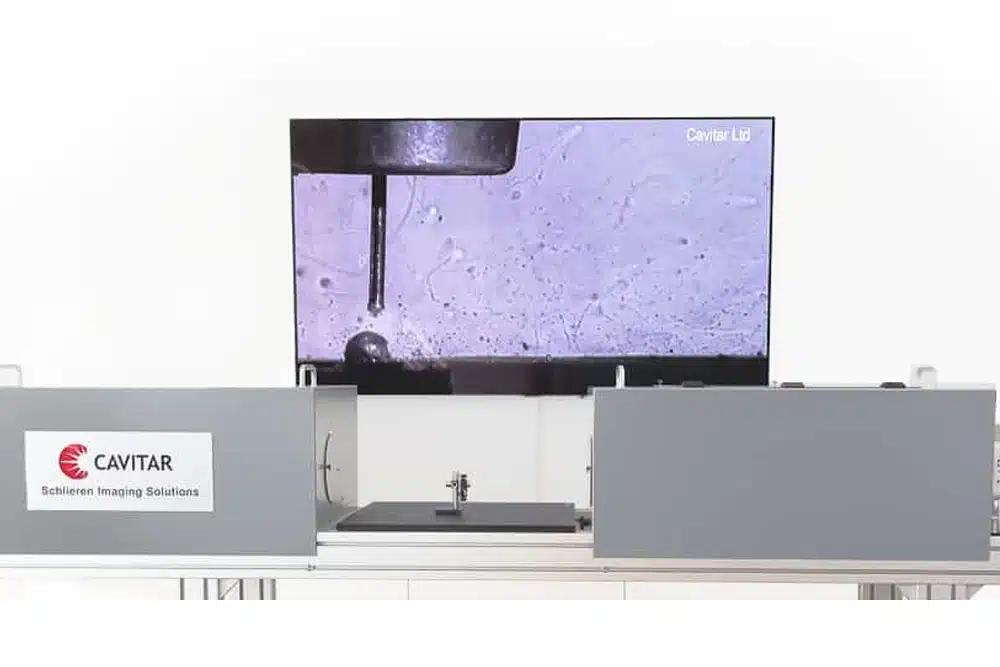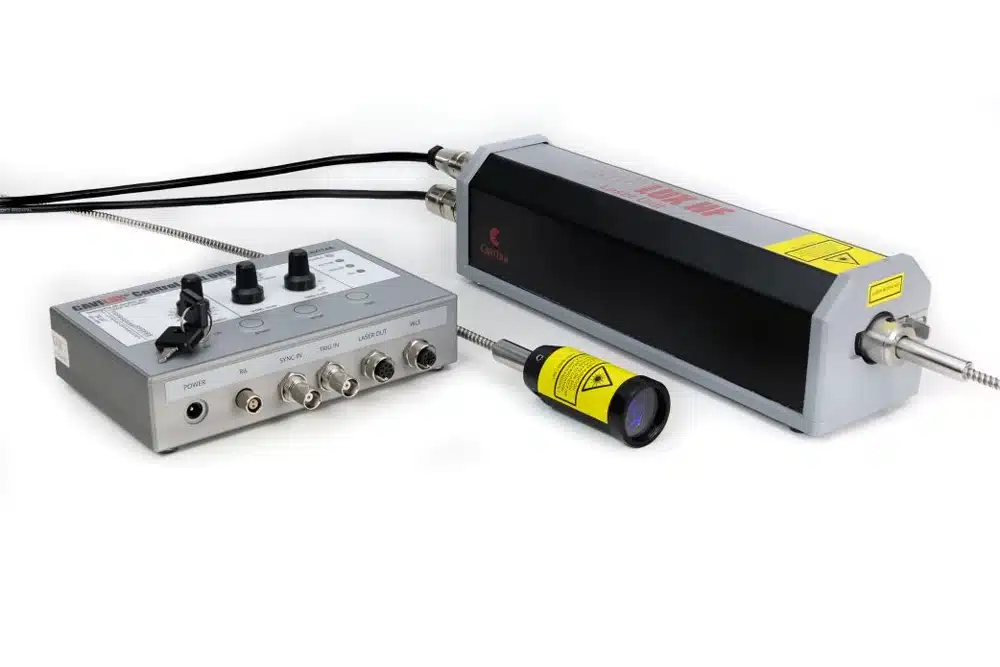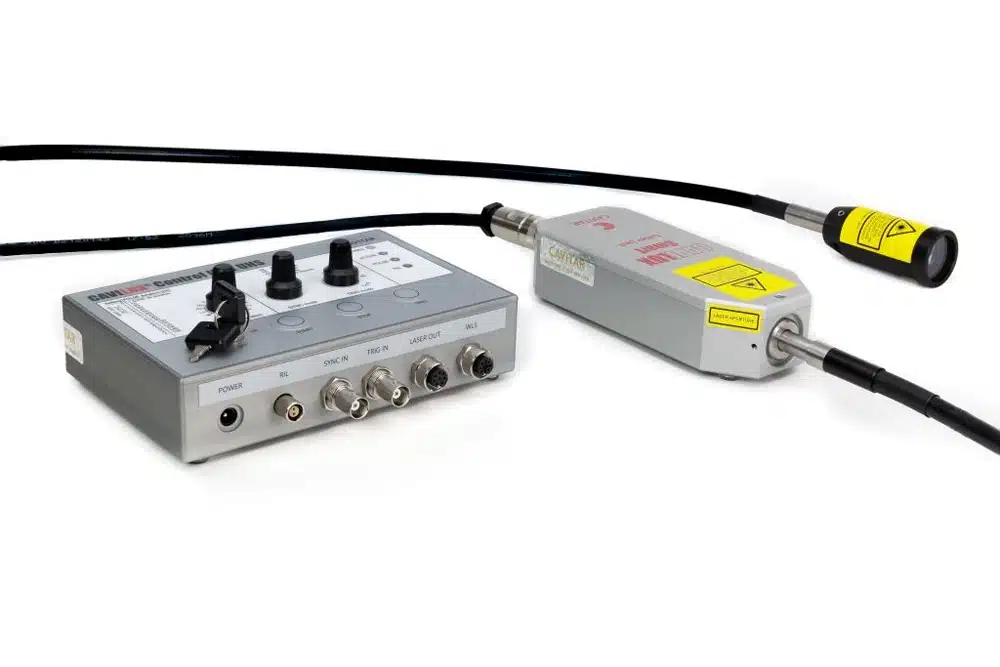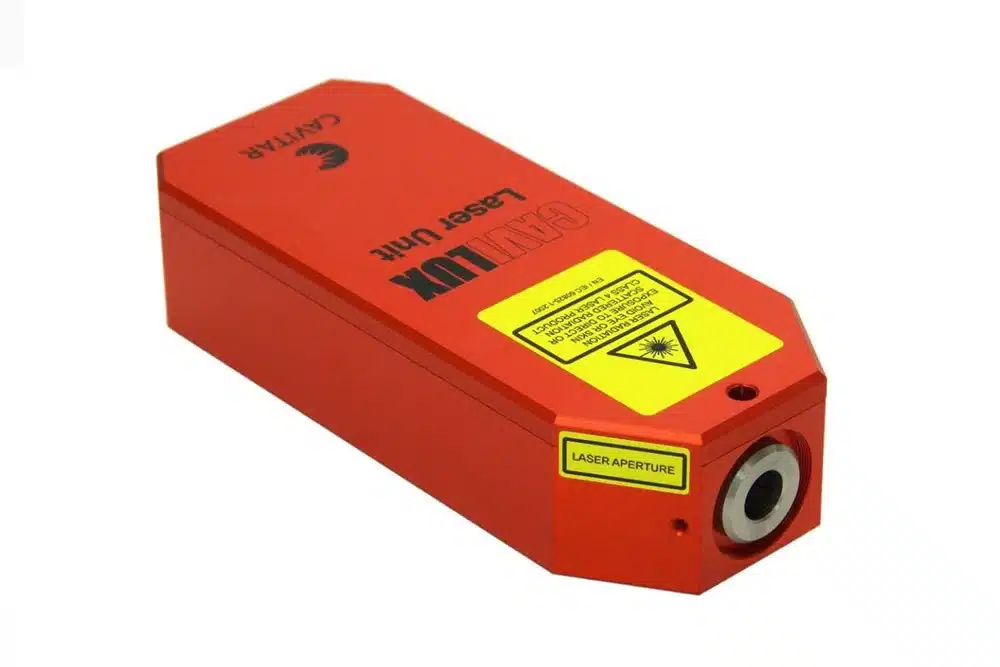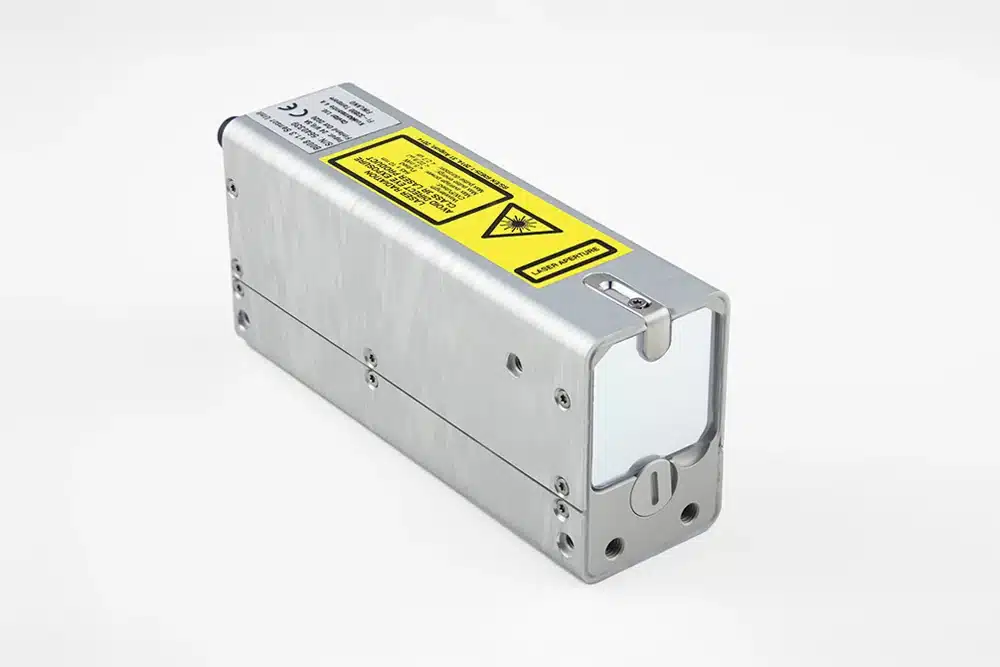

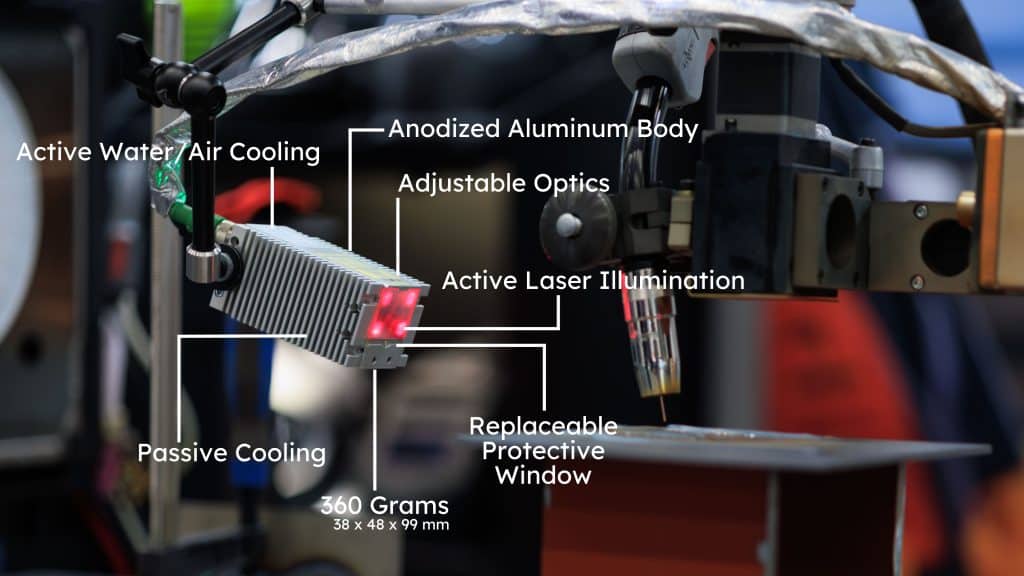

Laser-based illumination plays a critical role in the image quality offered by Cavitar Welding Cameras. It enables clear visualization of the welding process in environments where arc light, spatter, and extreme brightness would otherwise make imaging impossible.
At the same time, any product that contains a laser source carries responsibility for both the manufacturer and the user. Laser safety is not a marketing claim or a secondary consideration—it is a regulated, measurable, and enforceable aspect of product design. In industrial environments, compliance, transparency, and user safety must come first.
As one of the early developers of laser-based weld visualization technology, we have seen this field evolve from a specialized solution into a widely discussed topic. As interest has grown, a broader range of products has entered the market, often using similar terminology while taking very different approaches to safety, certification, and validation. This makes clear, fact-based understanding of laser safety and legal responsibilities more important than ever.
In this article, we explain how laser safety applies to welding cameras, how laser classes are defined, and how we approach laser safety at Cavitar.
Part 1: Laser Safety Fundamentals in Welding Cameras
From both a user safety and legal standpoint, any product that integrates a laser source must comply with laser safety regulations.
This of course applies to welding cameras.
In most industrial markets, these legal requirements are based on the international standard IEC 60825-1, which defines how laser products are classified and what safety measures are required for each class.

The purpose of laser classification is to ensure that laser radiation emitted by a product does not expose operators, nearby personnel, or equipment to unacceptable risk when the product is used as intended. Classification determines not only how a laser product may be used, but also how it must be designed, documented, labeled, and supported.
As laser power and potential hazard increase, so do the safety requirements placed on the product and its users. These requirements may include product design features (e.g. interlock, beam stoppers), product labeling and users training as well as individual and collective protective equipment (e.g. laser safety googles, physical barriers, warning systems).
A laser product may only be assigned to a specific class if all applicable criteria for that class are met.
In other words, laser class is not a descriptive label—it is a defined safety framework that directly affects how a product can be legally and responsibly deployed in industrial environments.
Part 2: Understanding Laser Classes and Risk Levels
Laser classification is based on comparing the emitted output of the laser product against the Accessible Emission Limit (AEL) defined for each laser class. The AEL represents the maximum accessible emission permitted within a particular laser class.
As laser class increases, the permitted emission level increases—and with it, the potential risk as well as the safety requirements for the laser product.
Below is a simplified overview of laser classes most relevant to industrial imaging applications:
An important aspect often overlooked is that laser classes cover wide ranges of emission levels. Two products classified within the same laser class may differ significantly in actual radiation output and associated risk.
In any case, classification is based on strict criteria including product design and measured emission values.
Part 3: How We Approach Laser Safety at Cavitar

At Cavitar, laser classification is first evaluated by in-house laser experts, then confirmed through measurements performed by independent accredited test laboratories in accordance with IEC 60825-1.
Laser safety is a foundational design consideration in Cavitar Welding Cameras. These products fall within laser class 3R, reflecting a deliberate engineering choice that balances imaging performance, usability, and safety.
Class 3R requires that operators and personnel in close proximity are trained not to stare directly into the laser beam. This training requirement is an integral part of responsible deployment and ensures that the system is used as intended in real industrial environments.
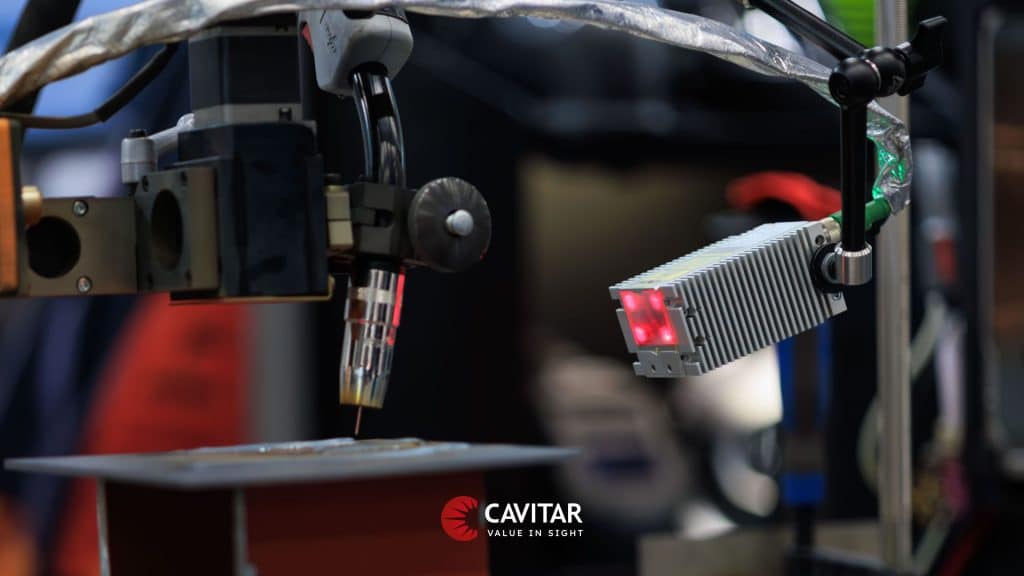
A key safety-related design decision in our systems is the use of visible red laser illumination, typically around 650 nm. Because the laser emission is visible, the beam is immediately apparent to the human eye. This significantly reduces the risk of unintended accidental exposure as compared to invisible laser radiation.
As laser-based weld visualization becomes more widespread, it is increasingly important to recognize that not all solutions follow the same safety principles. Transparent classification, documented compliance, and verified measurements are essential for protecting operators, workplaces, and organizations from unnecessary risks.
Conclusion
The safe operation of a laser-based illumination welding camera demands that both the system design and field usage comply with its laser class, as imposed by international safety standards.
As a responsible supplier, Cavitar fully complies with these requirements.

As the market continues to evolve, asking the right questions about laser safety is more important than ever.
In the European Union, laser products placed on the market are required to comply with applicable safety regulations and standards, including laser classification according to IEC 60825-1.
When a product does not clearly disclose its laser class, certification basis, or conformity documentation, it becomes difficult for users, integrators, and employers to verify compliance and meet their legal safety obligations. Transparency around laser safety is therefore not optional, but a fundamental requirement for responsible and lawful use in industrial environments.